Restaurant Review: Green Lantern Pizza

If you don’t already support local businesses there is no better time than now to do so. With dining in being out of the question right now, many places are offering carryout or curbside only, while some have had to close for the time being to save money. My aunt was recently talking about pizza, and I said “oh my gosh, that sounds so good right now,” and she ended up surprising me with her local favorite Green Lantern Pizza.
Green Lantern Pizza has been slinging delicious pies leaving their footprint on Michigan since 1955. Green Lantern Pizza was founded when Thomas and Irene Vettranio bought an old farmhouse with its green lantern. The green lantern was a holdover from a dark time – the Prohibition era. Legend says that a green lantern in front of an establishment meant that you were able to purchase alcohol there. Today, Green Lantern Pizza offers a casual and fun atmosphere, with its original restaurant being located in Madison Heights, Michigan.
Green Lantern Pizza offers a variety of specialty pizzas or you can build your own. You will also find sandwiches, submarines, salads and sides on the menu. My aunt ordered herself the Tommy’s Super Special which comes with cheese, pepperoni, ham, mushroom and green pepper on it. She got me a build your own with cheese, green pepper, mushroom and onions on it. This was my first Green Lantern Pizza experience and let me tell you, it was absolutely delicious. Green Lantern Pizza has quickly become a new favorite for me and I cannot wait to continue to support them. Next time I want to try the BLT Pizza which comes with cheese, bacon, crisp lettuce, fresh tomato, and mayonnaise on it.
What is your favorite local pizza joint?


Five Things

Yay for surviving week 5 in quarantine. Last week proved to be really hard for me, I even did online shopping for the first time – however, essentials were few and far in between. I ran out of toilet paper (worst nightmare ever) and had to ask my parents for a roll while I searched high and low for some. It seems as though everyone is still hoarding toilet paper and those of us who need it cannot actually get any.


Hawaiian Fried Rice

Confession, I have a serious thing for fried rice. Whenever I go to a Thai restaurant I order pineapple fried rice, at a hibachi restaurant I always ask for extra fried rice. I absolutely love the flavors. Currently, I am really missing pineapple fried rice and Hawaiian pizza. Since I had leftover Dearborn’s Famous Glazed Spiral Sliced Ham, from Easter I thought I would do a little experimenting in the kitchen, and that is how Hawaiian fried rice was born.
This Hawaiian fried rice recipe that I am sharing today has quickly become my new favorite. It features elements of traditional friend rice, but with a lot more flavor. This Hawaiian fried rice is filled with diced Dearborn Brand Dearborn\’s Famous Glazed Spiral Sliced Ham, green peppers, chive and of course pineapple. If I can give you one tip when it comes to making fried rice it is to make sure that the rice is cold, freshly cooked rice will just make this dish a complete mushy mess.

Hawaiian Fried Rice
Ingredients
1 boil-in-bag rice (I used brown rice), cooked and chilled
1/2 cup (or more) diced ham
1 teaspoon minced garlic
1 green onions or multiple pieces of chive
1/2 green pepper (or more) seeded and diced
1 large egg
1/4 cup pineapple tidbits
1 tablespoon vegetable oil
1 tablespoon soy sauce (or more depending on your likeness)
Directions
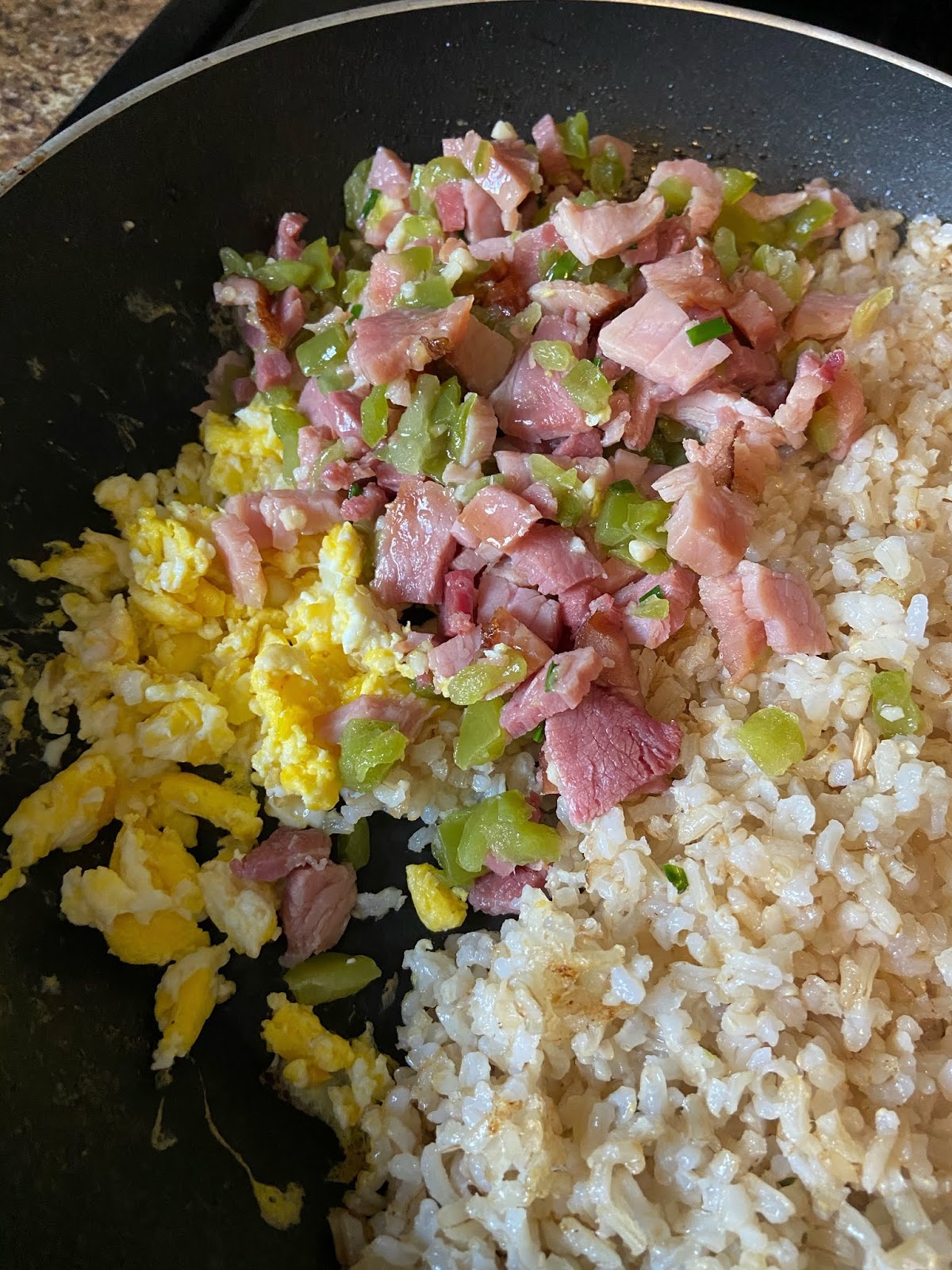
1. Heat half the vegetable oil over medium-high heat in a non-stick skillet.
2. Add the diced ham, green pepper and green onion (reserve some green onion for garnish).
3. Cook and stir for 6 minutes, or until ham is browned and the bell pepper is crisp-tender.
4. Stir in the garlic and cook another minute.
5. Pour the mixture into a bowl and set aside.
6. Heat the remaining vegetable oil in the same skillet until hot.
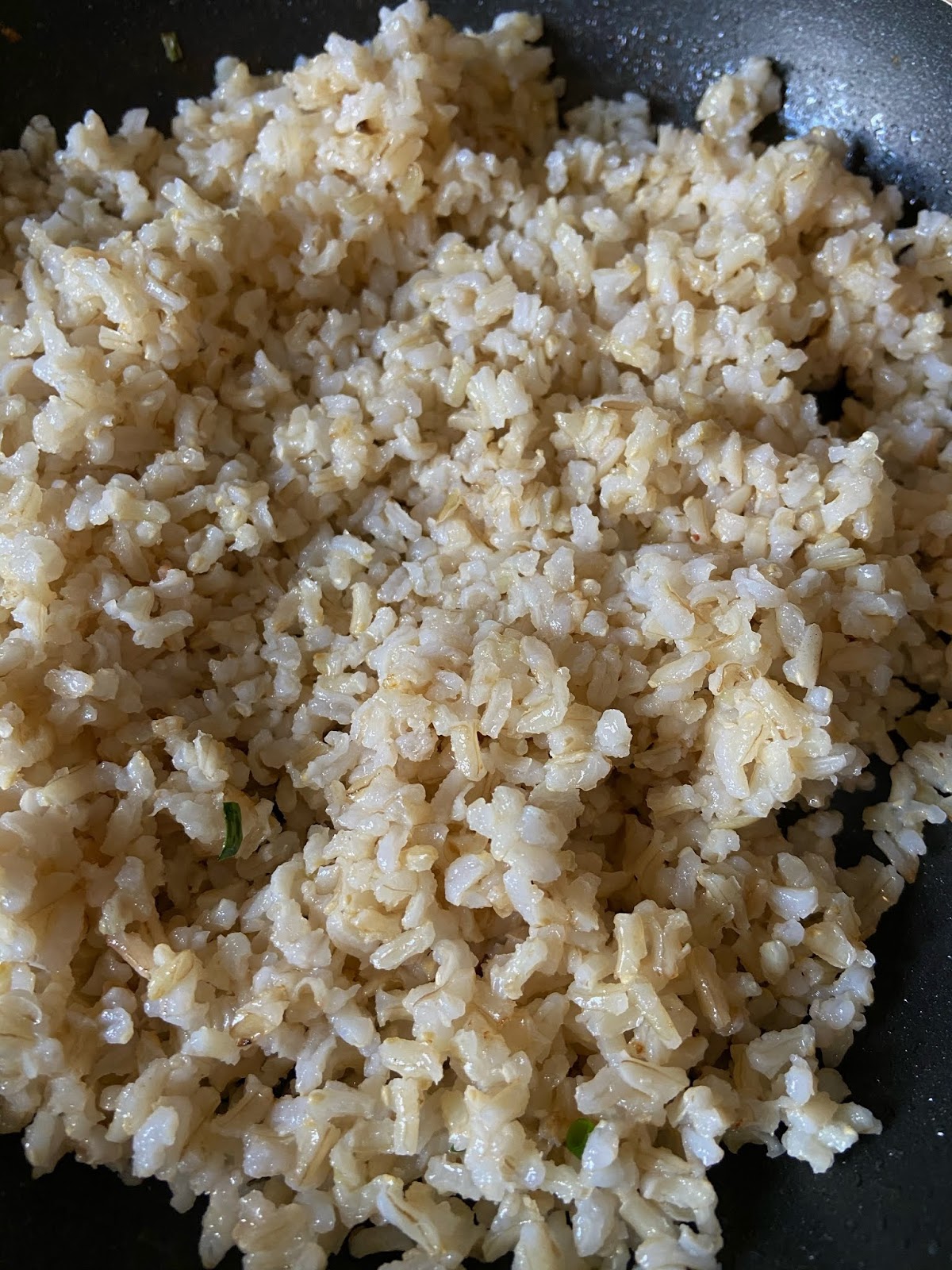
7. Add the cold rice.
8. Cook and stir the rice until it is thoroughly heated about 7 minutes. Be sure to break up the clumps.
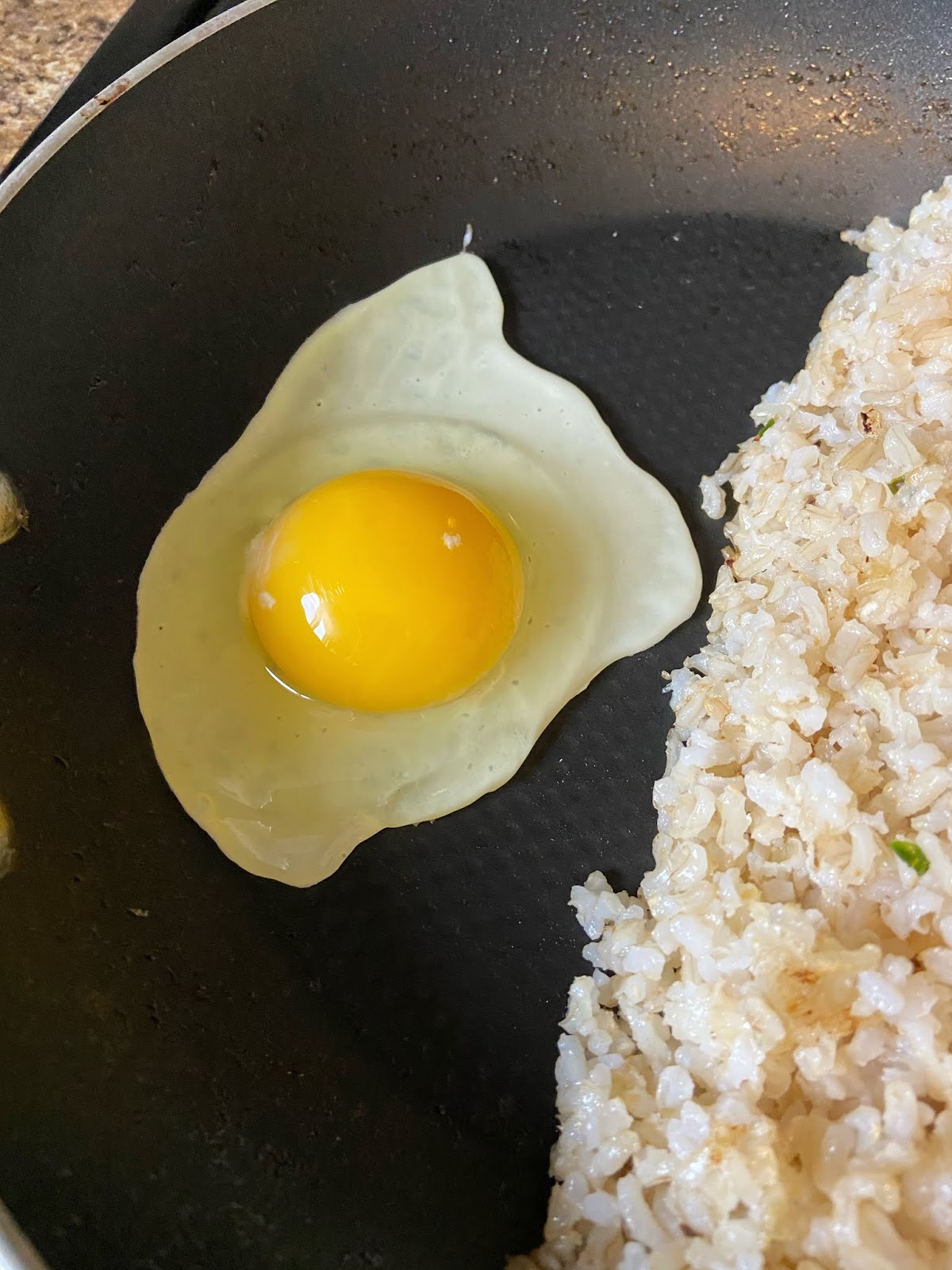
9. Push the rice to one side of the skillet.
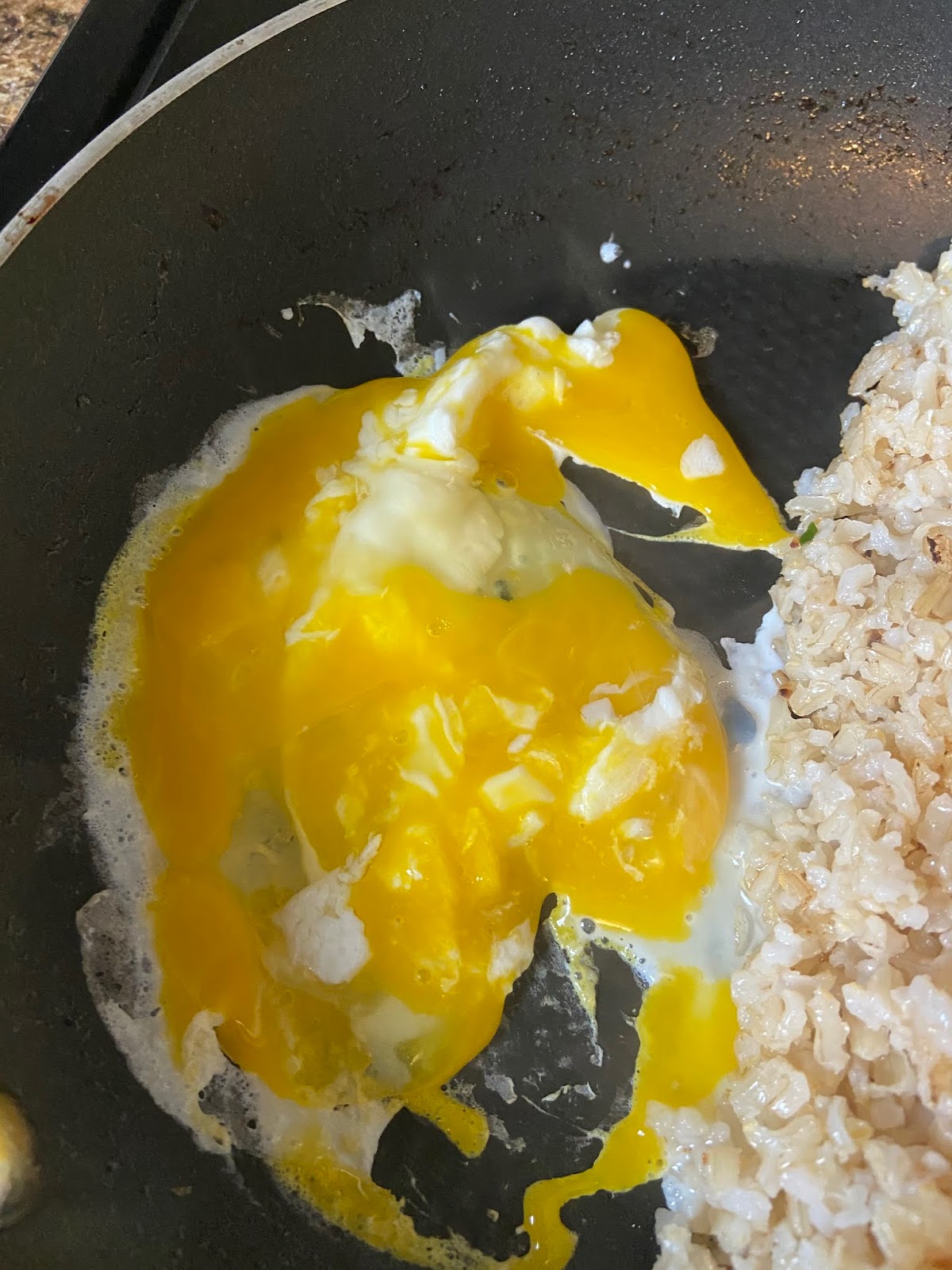
10. Crack the egg on the other side of the skillet.
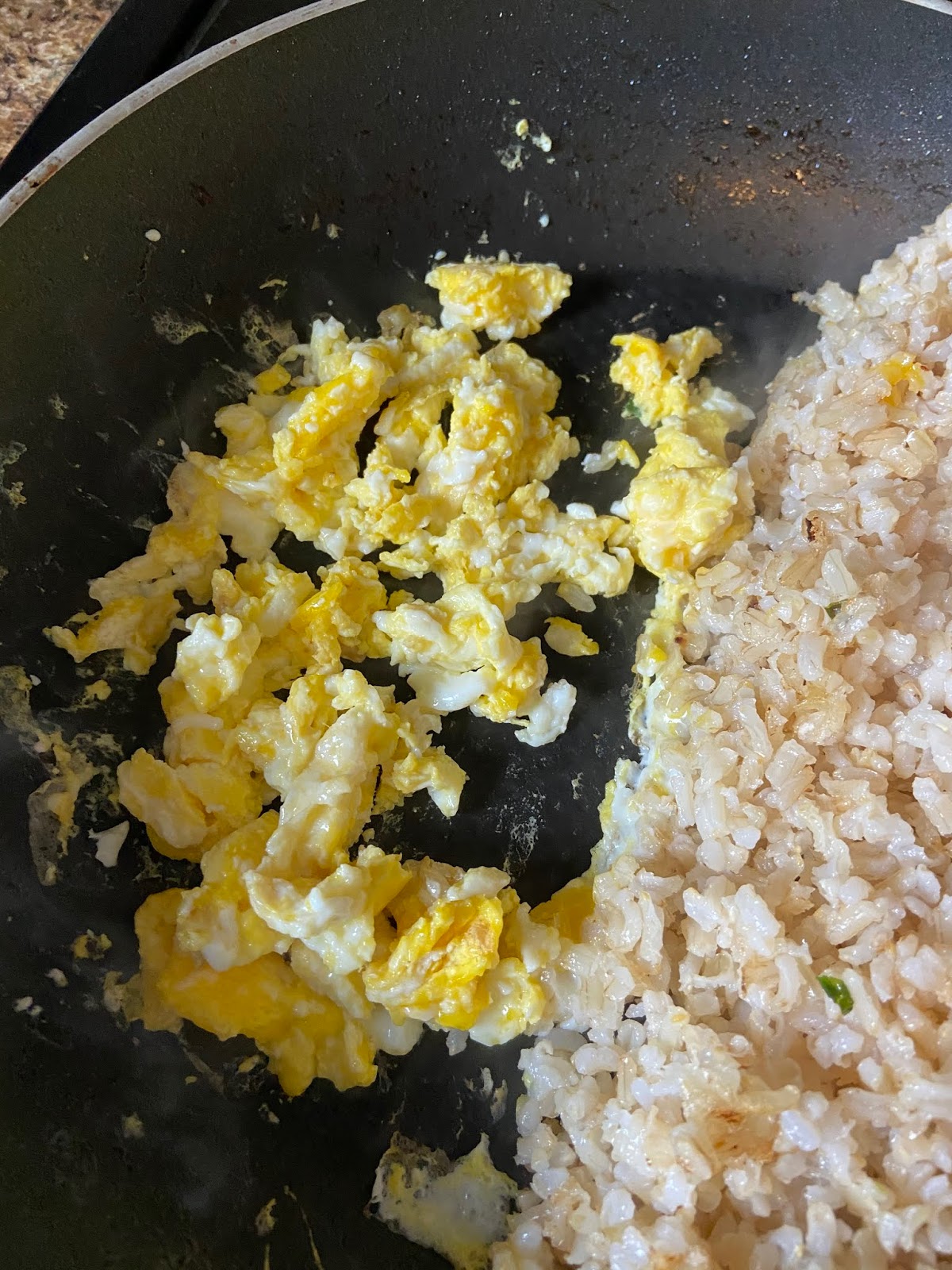
11. Stir the egg until it becomes lightly scrambled.
12. Stir the egg mixture into the rice.
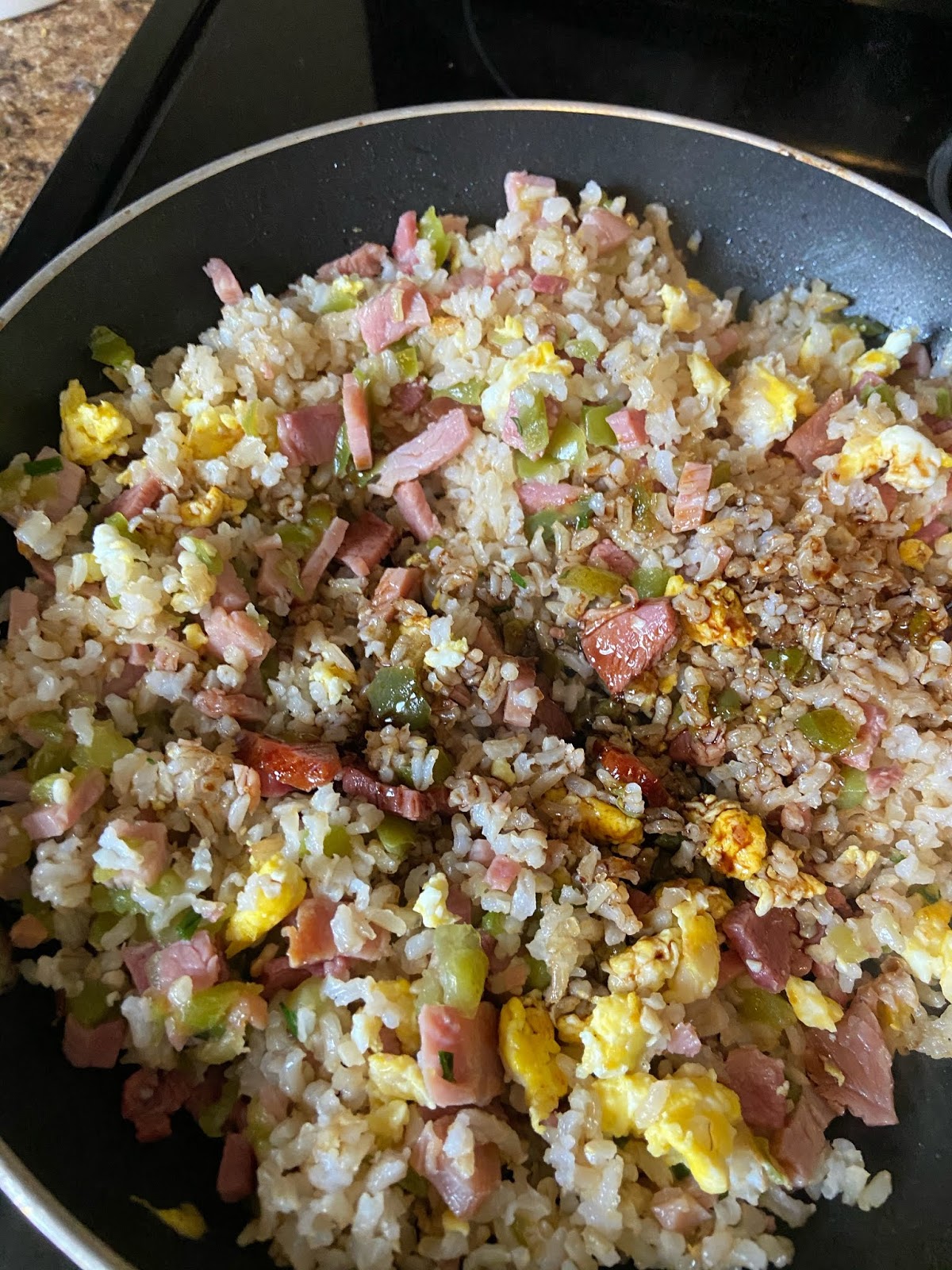
13. Add the ham mixture to the rice.
14. Add the pineapple.
15. Pour the soy sauce mixture into the rice and stir until combined and hot.
16. Serve and top with green onion.



Movie Review: Never Rarely Sometimes Always

Whoa. Typically after a movie, I gather my notes and sit down and work on my post. However when Never Rarely Sometimes Always ended I needed to regain my composure – talk about grit! Hands down this are one of the best movies I have seen in 2020. This movie is hard, but so are you and before I even get to a review on the movie I am telling you right now that you will want to check out this Focus Features film Never Rarely Sometimes Always on-demand immediately!
What is Never Rarely Sometimes Always about?
Autumn Callahan played by Sidney Flanigan is a free-spirited, tough-minded 17-year-old high school student. Autumn comes from a neglectful family that is scarping by in a small town in rural Pennsylvania. This film is based around Autumn suspecting that she is pregnant Eliza Hittman is the writer and director and keeps things super dramatic by not talking about a sexual act happening or who the father may be.
Autumn decides to visit a local women\’s clinic that turns out to be very anti-abortion, and soon learns that she cannot get an abortion in the state of Pennsylvania without parental content. So she and her cousin Skylar played by Talia Ryder travel to New York for the procedure.
I just wanted to say that I love how Hittman shows Skylar helping Autumn through the process as well as travels with her across state lines. She really lets the film play out through the body language and facial expressions of the girls who already have an unsettling experience at work each day.
When the girls leave to embark on their journey across state lines, they have to count money first and then all the questions start piling up. Will Autumn and Skylar make it to New York? Where will the girls stay once they arrive? Will they run out of money? All of which are portrayed in the movie, making it feel like you\’re really there in the experience.
Where does the title for the movie come from?
The title of the movie Never Rarely Sometimes Always comes from the Planned Parenthood questionnaire. With each question asked and the answer needs to be Never, Rarely, Sometimes or Always the tensions builds, your heart sinks and the tears might even start to roll.
Final thoughts about Never Rarely Sometimes Always
With a topic of neglect, teen pregnancy, unwanted sexual advances, and abortion – Never Rarely Sometimes Always tackles a lot of hard and gritty topics all at once. The film is filled with raw emotions and actual topics that are important and a reality. I think the movie really made me need time to regain my composure is because of a story a friend I know told me in college, and that made the movie even more relatable and heartbreaking at the same time. I told her about the movie, and she checked it out on-demand and said while it was beyond difficult to watch at times and she wanted to stop, she did stick with it and said that the reality of it is so real and relatable that it gave her a little sigh of relief.
5 Ways to Repair Your Credit Score After Bankruptcy

I have always been scared of debt. Growing up money was always really tight, and definitely wasn\’t spent on frivolous things. One time I overheard a conversation about bankruptcy and how it is like a double-edged sword. If you use it in the right way, the financial tide can turn in your favor, one wrong move and the wave will engulf you and damage your credit score. When it comes to bankruptcy you need to be very careful. For instance, a chapter 7 bankruptcy will take ten years to remove from your credit report, while a chapter 13 bankruptcy takes seven years to remove from your credit report. If you are self-employed and looking for some help with your debt why not look for a self employed loan?
Today, I will be sharing with you 5 ways to repair your credit score after bankruptcy. These are just suggestions and not guaranteed. You should always talk to a professional before making financial decisions.
1. Change your financial habits
Rebuilding your damaged credit will require some serious persistence. Without healthy financial habits, you will never be able to rebuild your credit score. Practice paying bills on time, not keeping any debt overdue, start paying with cash, etc. Just like bankruptcy delinquencies or missed payments will stay on your credit report for seven years. Your newfound financial habits should make sure that everything is getting paid off as it comes in. If you can\’t afford something, should you have really bought it in the first place?
2. Create a budget
Maintaining budgeting skills will be extremely important, especially during the next seven to ten years. Not paying your debt on time, only paying the minimum due, you\’re just hurting yourself. Your credit report will register more debt and will be even further from you recovering. Don\’t spend more money than you earn and you will not need to borrow money. I personally only use credit for purchasing gas, otherwise, I always try to use cash. This includes going to the grocery store if I know I only have X amount of cash for the week I buy fewer things that I do not need.
3. Do not close accounts
Keep your credit accounts open, even after the card expires. Closing an account marks a decrease in your credit limit, which ultimately reduces your credit score. To help increase your credit score, you need active accounts. You do not need to use them, they just need to be active.
4. Use your credit cards wisely
Use your credit card but not too much. Keep in mind, you are using the credit card to repair your damaged credit. So, you will want to use it when cash is not available. Or in my case I only specifically use it at the gas station – I never know how much money I am going to spend on gas so I had to go in, giving some money and then having to go back in and give more because it didn\’t fill my tank enough or getting a refund. It\’s just easier for me personally to use a charge card, plus it keeps my credit up.
5. Pay down your debts
As you use your credit card, debt is registered. Pay that debt as soon as possible. Do not let the interest accumulate. If you\’re buying things that means you should have the money for it, therefore it is best to pay your credit card the day after you get the billing statement. Why you might ask? 35 percent of your credit score is your payment history and timely payment of your debts will actually boost your credit score.
 Fashion meets Food