Everything You Need To Know About Altitude Sickness
Pro Tip: If you’re not peeing several times a day, you’re not drinking enough.
Safe travels adventurist!
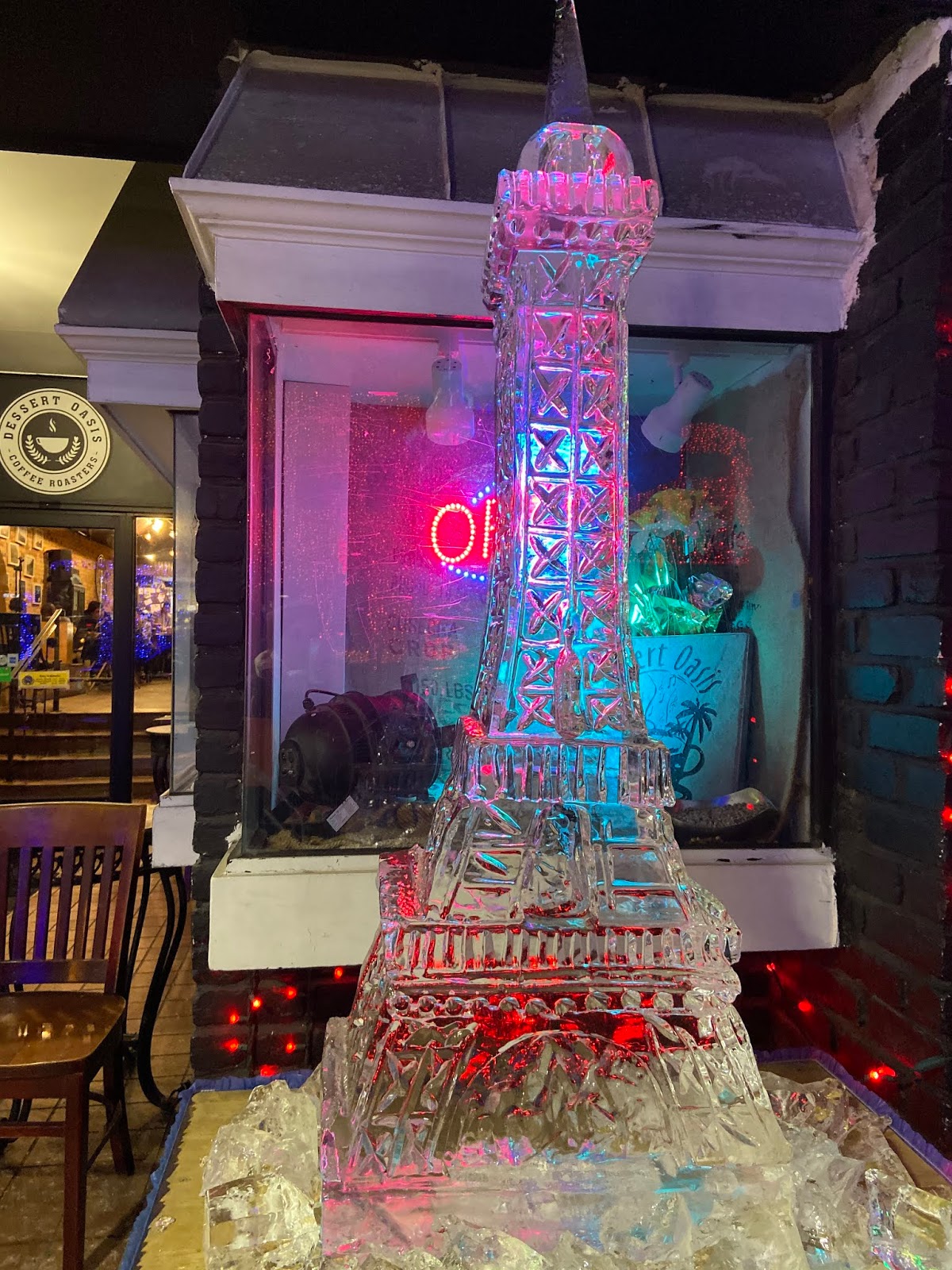
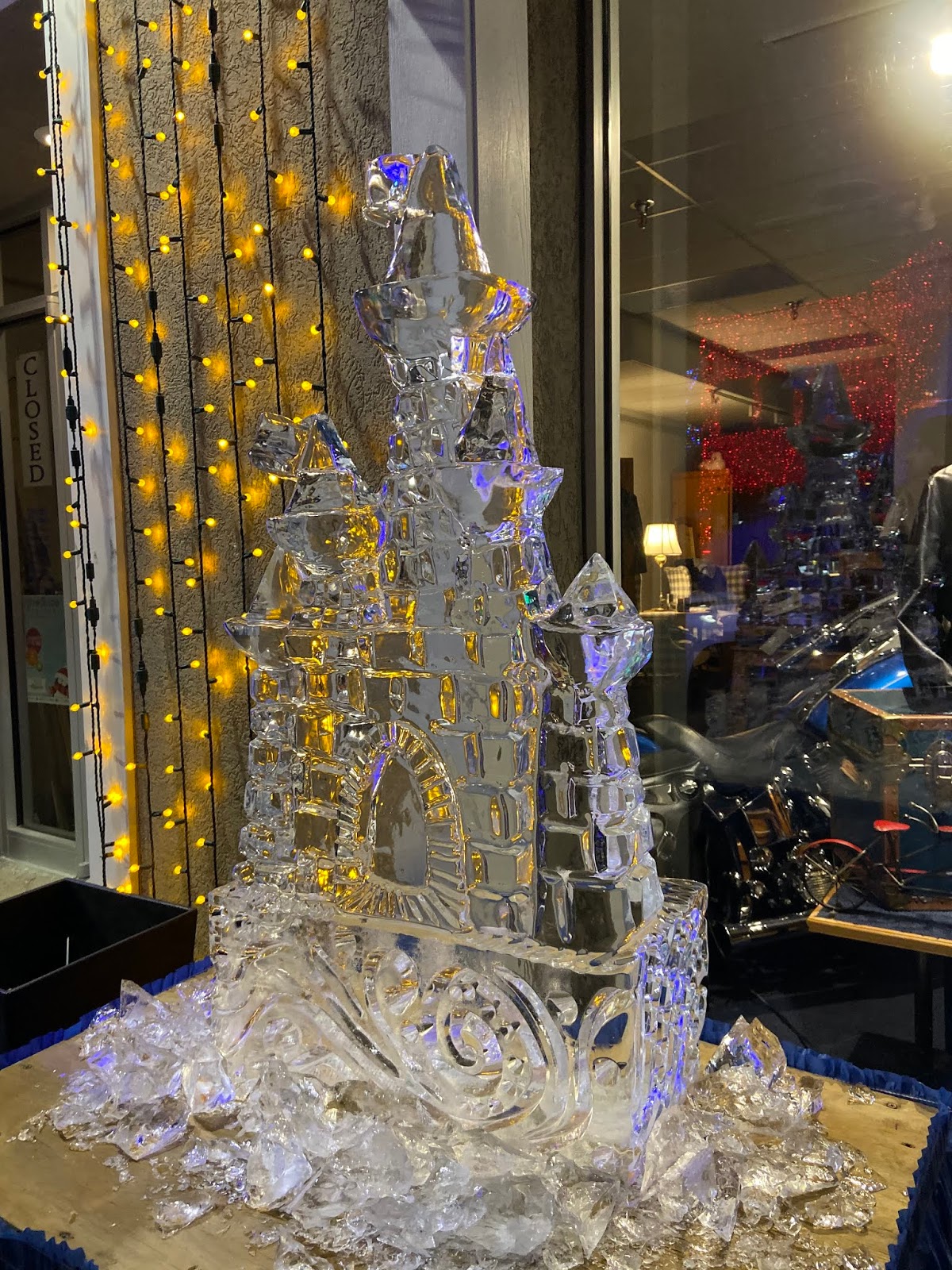
Travel Diaries: Fire and Ice Festival – Rochester Hills, Michigan

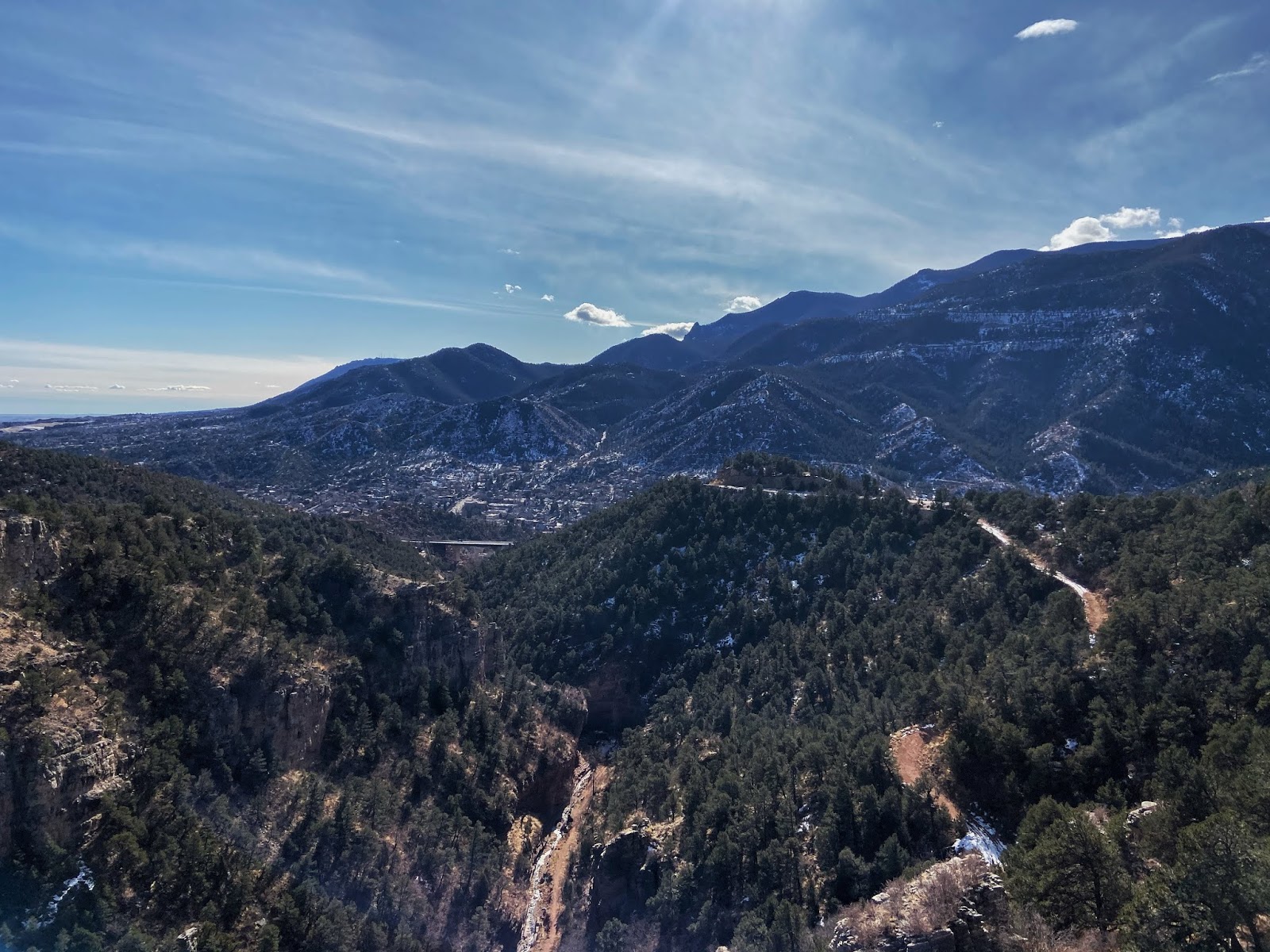
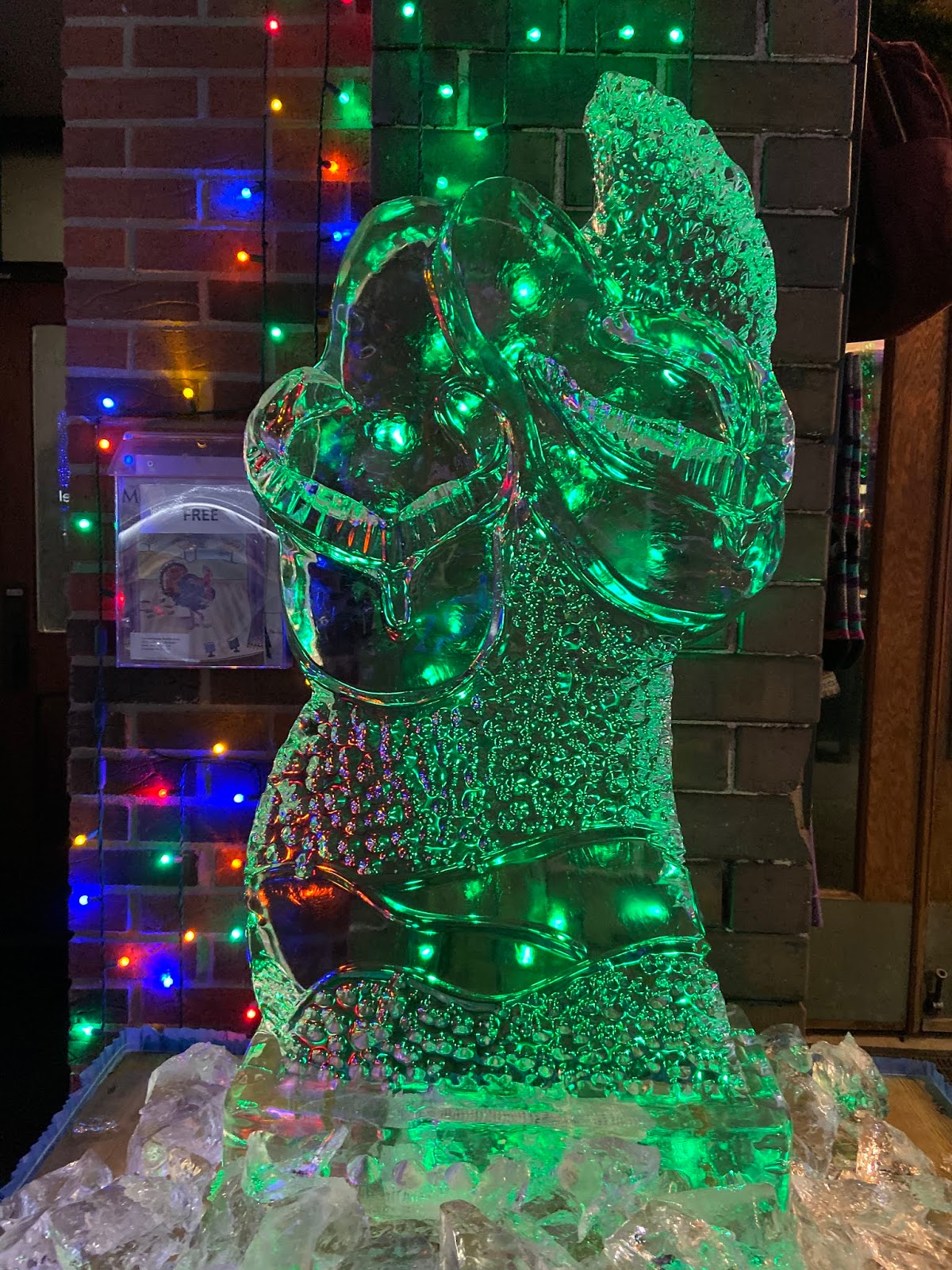
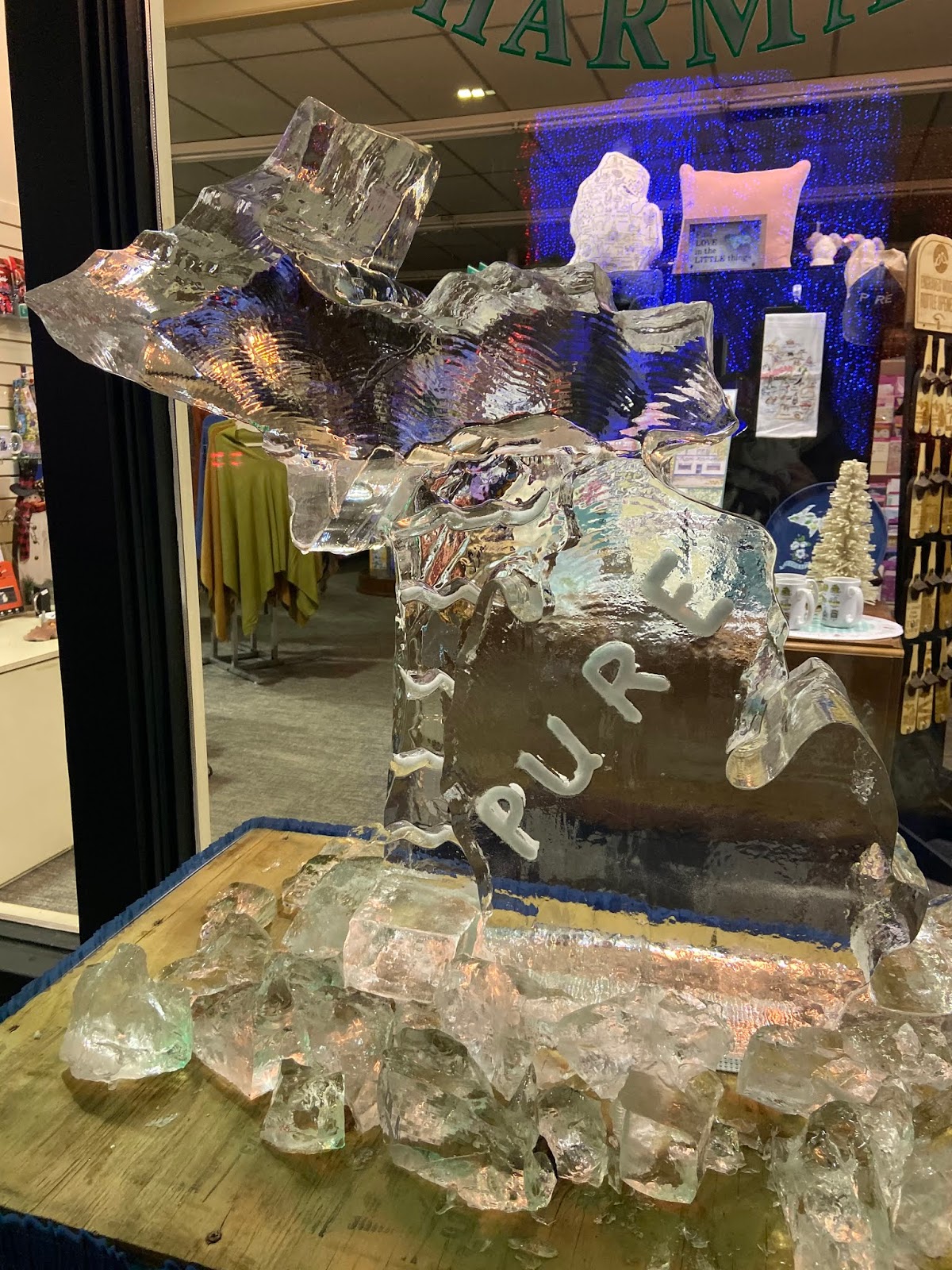
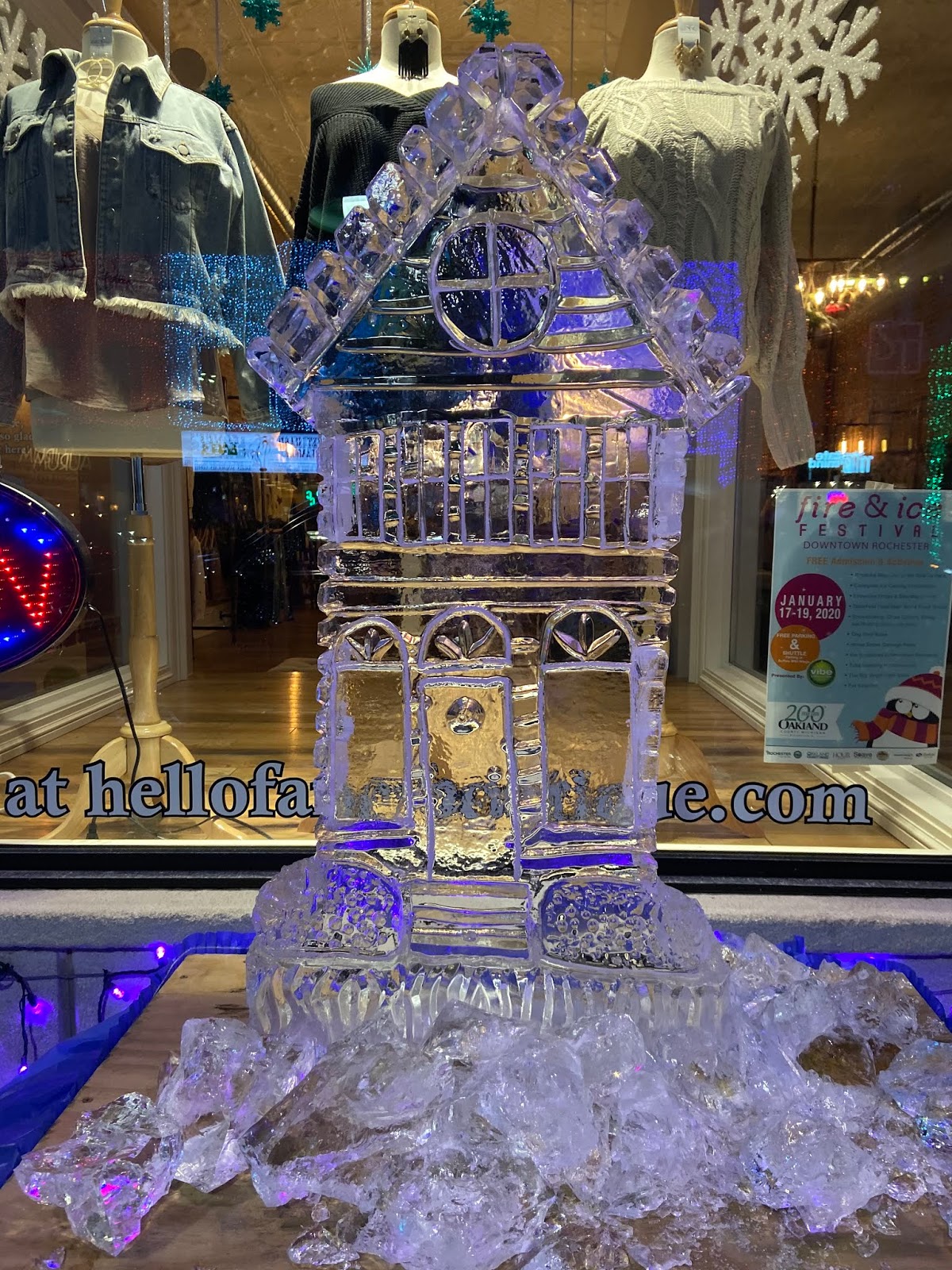
This past weekend Downtown Rochester, Michigan hosted its annual Fire and Ice Festival. The ice sculptures were in the theme of vacations and featured everything from beach scenes to staycations. I went on Friday evening and with the frigid temperatures, the sculptures were in perfect condition. My mum and I ended up in the front row for the fireworks, however, I was frozen and didn\’t take any pictures – I should probably get some gloves that work with my phone…ha. Does your town have an ice festival?

Dillon Ice Castles in Colorado: Real Life Frozen Experience

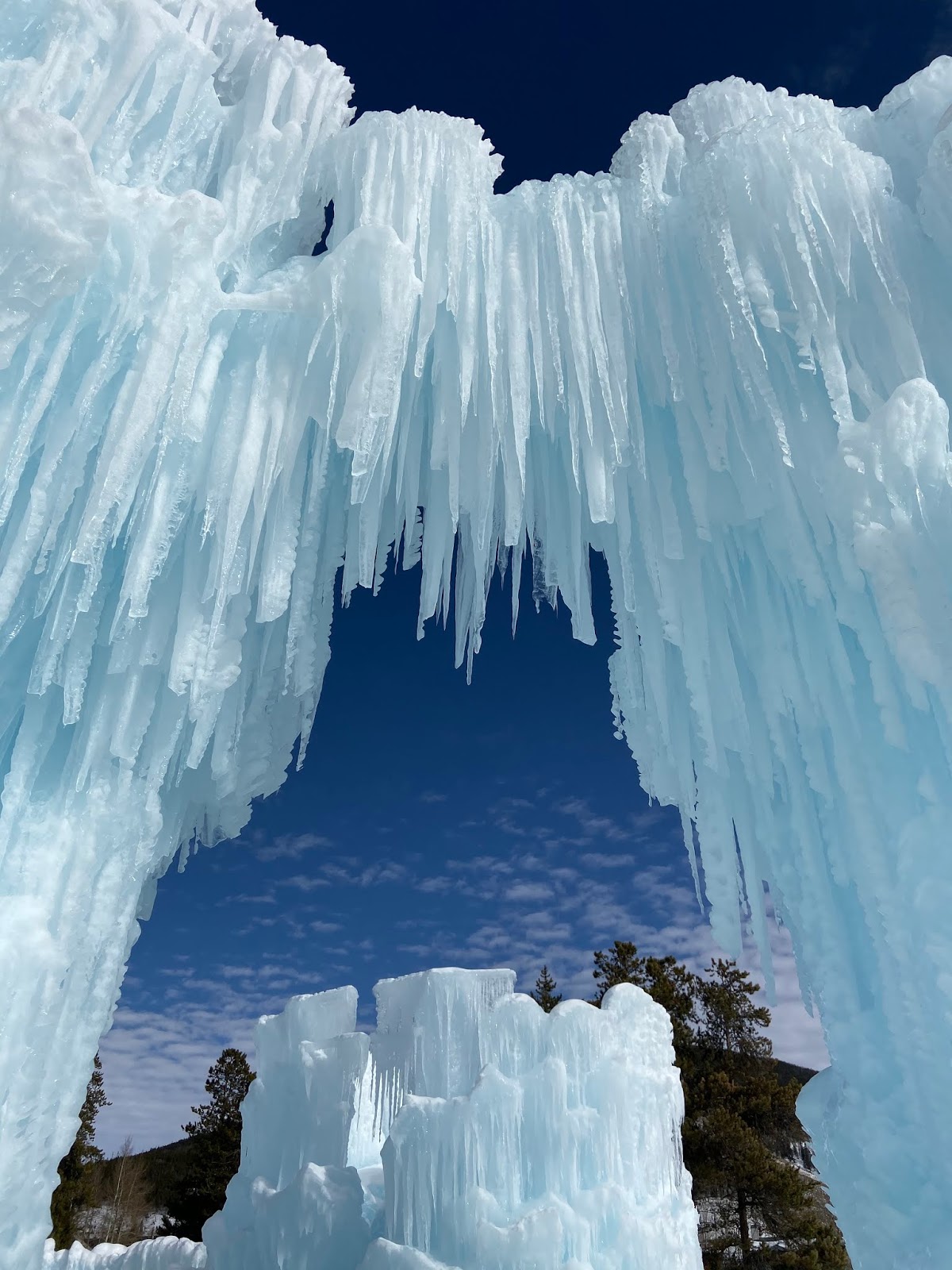
If you’re in Colorado this year I highly recommend taking a trip to Dillon to visit the Ice Castles. Playing in the enchanted Dillon Ice Castles in Dillon, Colorado was hands down my favorite part of my trip to Colorado. The Dillon Ice Castles are definitely worth the crowds, the price of admission and the magic that you will find within the walls of the castle.

The Ice Castles are an award-winning frozen attraction that is located in six cities across Northern America. You can find the Ice Castles in Colorado, Minnesota, New Hampshire, Utah, Wisconsin and Alberta, Canada. The experience is built using hundreds of thousands of icicles hand-placed by professional ice artists to give you a real-life Frozen experience. The castles include frozen thrones to channel your inner Elsa, ice-carved tunnels, slides, and LED-lit sculptures once the sun goes down.
If you’re planning on visiting the Ice Castles this year, and I highly recommend you do – here are a few tips based on my observations to make your experience a little smoother.
1. Buy tickets ahead of time
The Ice Castles do not sell tickets at the door unless you want to pay $5 more for a standby ticket. You will NOT be allowed to use the standby ticket if the Ice Castles are sold out that day, and they probably will be sold out. Don’t disappoint yourself, just get your tickets in advance so you’re guaranteed to get in.

Pro Tip: Decide if you want to see the Ice Castles during the day or if you’d like to see them lit up at night. Get the best of both worlds when you get a ticket right around sunset.
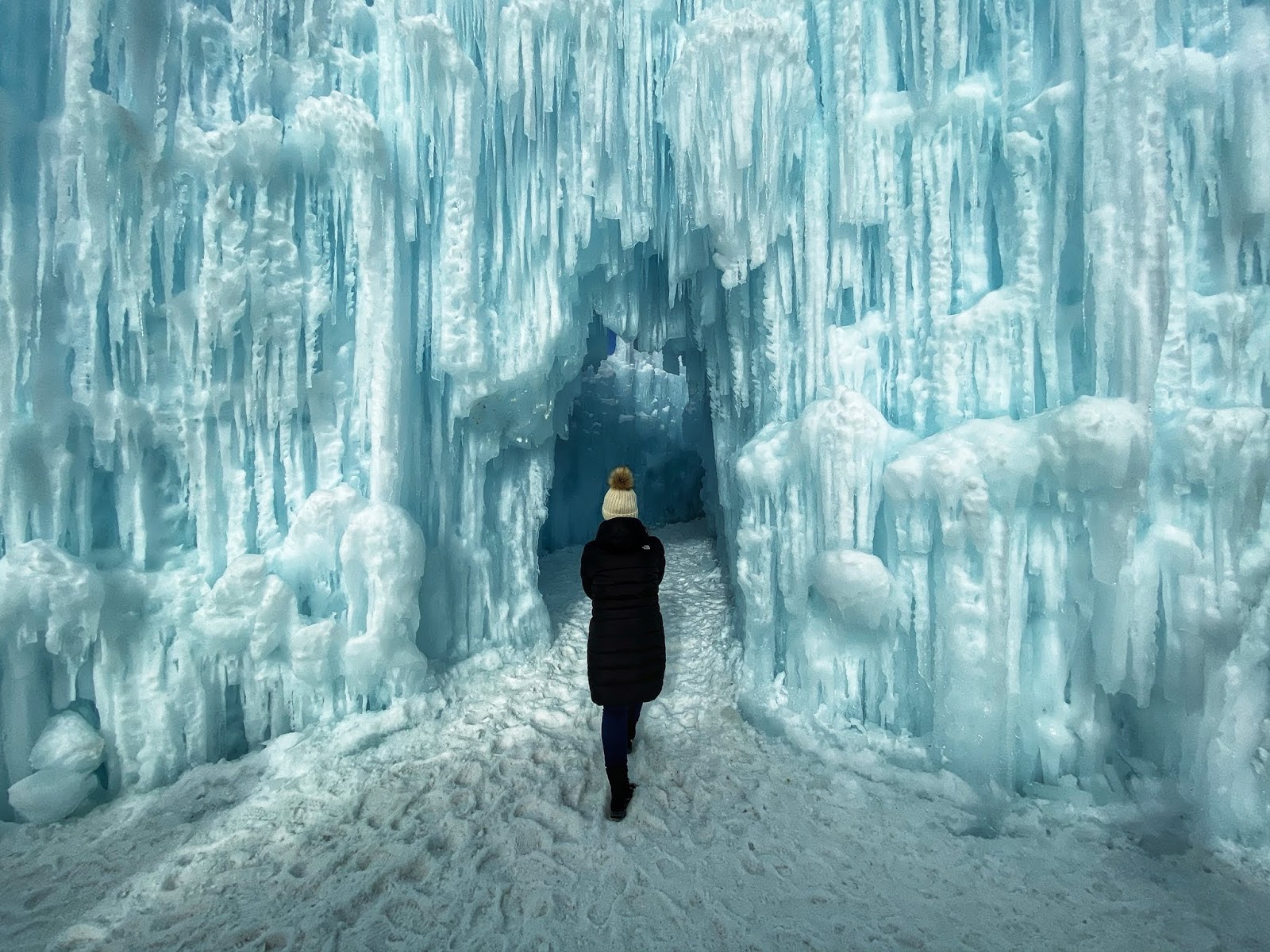
2. Get there early
There will be a long line, and everyone has to wait in it – no matter what your time slot is. Get there early and plan on waiting for at least 15 minutes to get in.
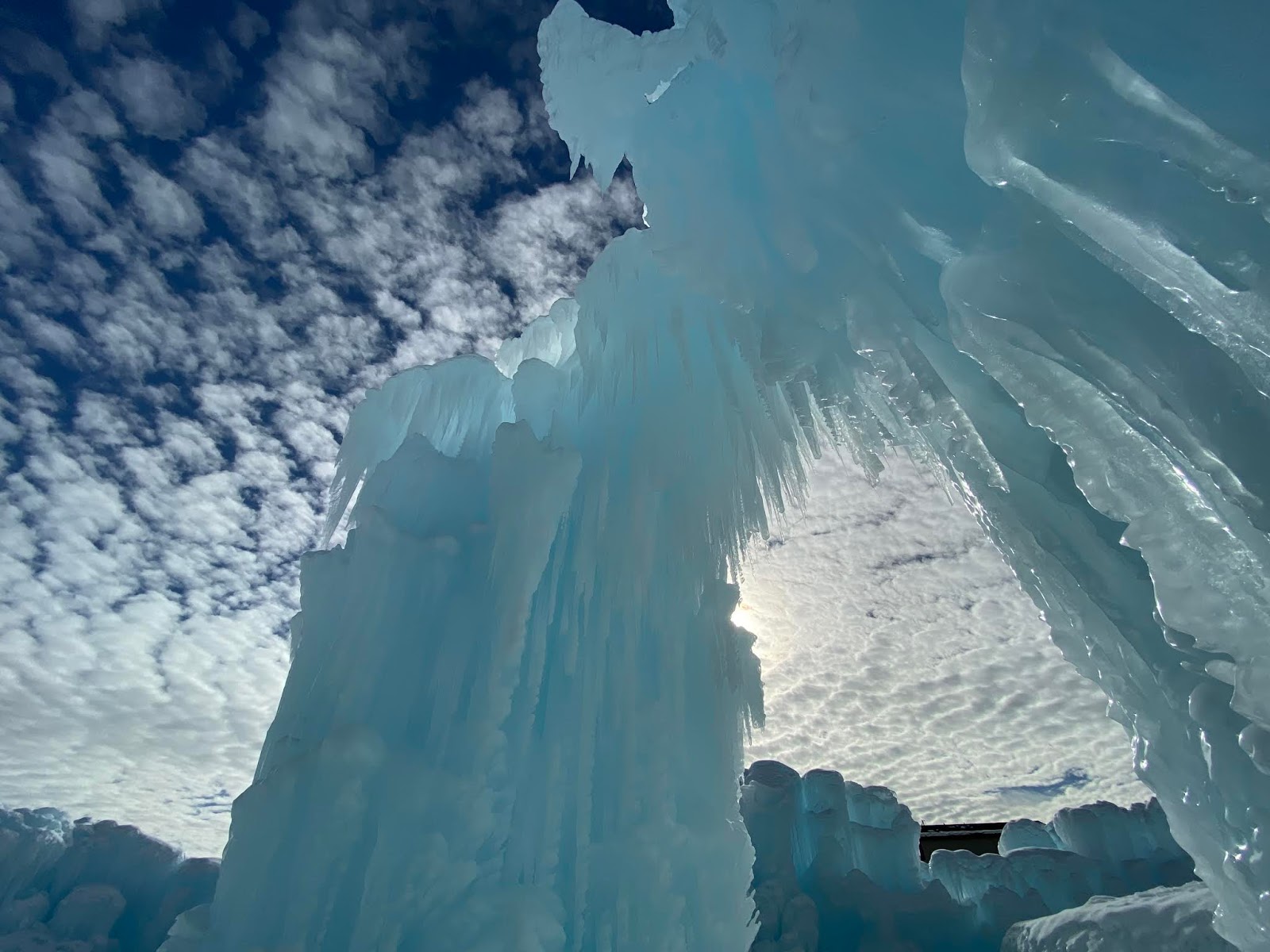
3. Wear proper footwear
The floor of the castles is a snow/sand mix and not only is it slippery it is slushy as well. Leave your cute shoes at home.

4. Don’t worry about your 30-minute time slot
Once you’re in the Ice Castles you are more than welcome to stay as long as you’d like to.

5. Don’t try to bring drinks in
The Ice Castles do not want you bringing in outside beverages, probably because they don’t want people’s trash spilling and ruining the Ice Castle experience.

6. Be patient
It is possible to get photos without people in them. You just have to wait out the crowds and be sure to snap quickly. Most people are doing the same thing, they’re trying to get that perfect picture without others in them, so they’re typically very respectful. Also, people will ask you to take their picture, this is a great opportunity to also get your picture taken as well.
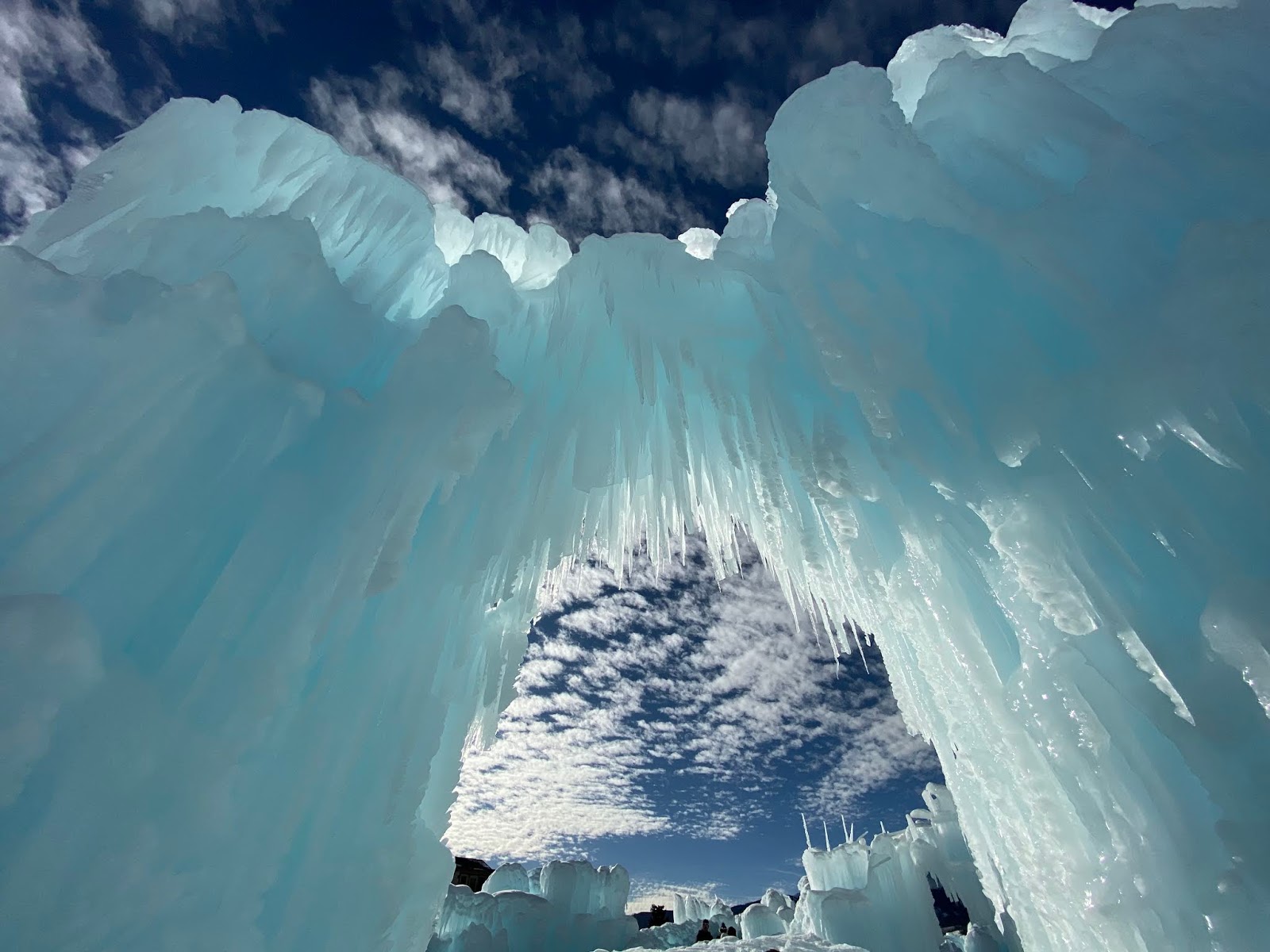
7. Have fun
Take pictures, walk around, go down the slide, and enjoy the gorgeousness of the Ice Castles.
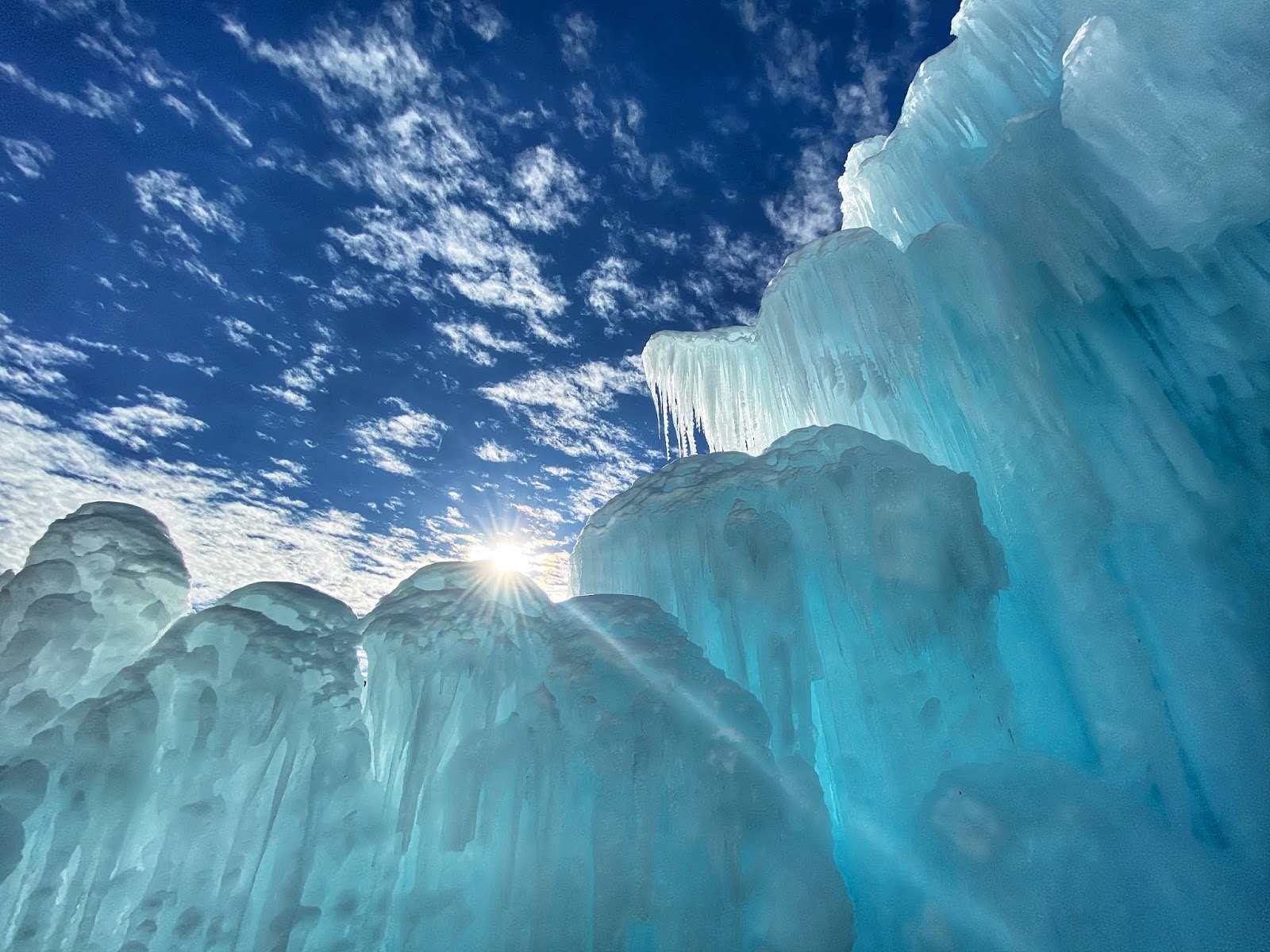
8. Dress warm
It’s ice, so make sure you actually dress appropriately for the environment.
Pro Tip: I went around 1:00 PM, and loved how the sun lit up the ice.


Travel Diaries: Exploring Garden of the Gods in Colorado

Garden of the Gods – the name itself evokes an image of majesty and wonder. Here’s all the information you need to get up close and personal with some of the most iconic rock formations, at Garden of the Gods in Colorado Springs, Colorado.
For those of you who love hiking, there is an extensive network of trails to explore within the Garden of the Gods – about 21 miles.


Perkins Central Garden Trail
The Perkins Central Garden Trail is at the heart of the Garden of the Gods at the base of the highest rock formations. The trail is a quick and easy 1.5-mile roundtrip path. Featuring less than a 30-foot rise.
Ridge Trail
Feel like you are among the rocks while you adventure the Ridge Trail. This trail features a moderate half-mile loop, with less than 100-foot rise in elevation.
Siamese Twins Trail
The Siamese Twins Trail offers a quick and easy 1-mile roundtrip adventure with less than a 150-foot rise. You will also find gorgeous and unique views of Pikes Peak.
Chambers/Bretag/Palmer Trail
This moderate 3-mile hike has less than a 250-foot rise and is designed to circle nearly the entire Garden of the Gods park. The trail features rolling rocky terrain that is away from the traffic.
Scotsman/Buckskin Charlie Trail
The moderate Scotsman/Buckskin Charlie Trail loops you through the Garden of the Gods park and gives you gorgeous views of rock formations.


Garden of the Gods trails expands far beyond anything you could imagine. I recommend starting at Central Garden if it is your first time visiting. Central Garden is home to many of the iconic rock formations that you have seen or heard about before. You don’t have to worry about getting lost while exploring the Central Garden. With surrounding parking lots, it’s easy to walk and wander and then head back to your car.

The roads and parking lots make it easy to explore part of the Garden of the Gods park by car. If you are unsure where to start, simply try driving around the Central Garden and stop at different parking lots and viewpoints to see all the different views before you get out of your car and walk.
With a variety of trails to explore at Garden of the Gods, and plenty of sights to see, no matter where you wander and which formations you end up finding, you will be impressed by the beauty and uniqueness that Garden of the Gods brings. It really does live up to its name and is a garden fit for the Gods.

Garden of the Gods History
Did you know… Garden of the Gods was once private land? Charles Elliott Perkins was not only head of the railroad company Burlington Railroad, but he was also the lucky owner of the Garden of the Gods. Perkins moved to Colorado with the intention of building his railroad from Colorado Springs to Chicago, unfortunately, that dream never became a reality (I wish it would have though – I mean how cool would that be). With Perkins goal in mind, he purchased 240 acres of land as a place where he would build his summer home in 1879. Luckily for all of us Garden of the Gods lovers, Perkins never built on the gorgeous property. Instead, he left it in its natural and untouched state for the public to enjoy with him. His family knew how much Perkins loved the properly and sharing it with others, so when he passed away they donated the 480 acres that Perkins had acquired by that time to the city of Colorado Springs. With this donation, the family specified that the city could have it under one condition “given by the children of Charles Elliott Perkins in fulfillment of his wish that it be kept forever free to the public” (you will even see this on a plaque when you enter the central garden. Thanks to Perkins and his children, the Garden of the Gods cost to enter will be free forever.

Why is it called “Garden of the Gods”?
You might be wondering (I know I was), why the park is called “Garden of the Gods”? Well, in 1859 there were two surveyors who came upon this location while they were exploring nearby. One of the surveyors mentioned he thought it would be a “capital place for a beer garden.” While the other surveyor responded “beer garden! Why it is a fit place for the Gods to assemble. We will call it the Garden of the Gods.” There you have it, one simple conversation alters history forever.
As mentioned earlier, by the time Perkins had passed away he had acquired 480 acres of Garden of the Gods. Today, the Garden of the Gods Park measures nearly 1,367 acres! That’s a lot of exploring.
Happy reNEW Year: My Plans for 2020

My word for 2019 was DISCOVERY
2019 was the year I really wanted to find myself, learn what I truly liked, what I didn’t like, where I wanted to be in my career, where I wanted to live, things I wanted to accomplish and more. One thing that I really wanted to accomplish as part of my 2019 discovery was to jet set somewhere. You see, I was always waiting around for others to want to do something, and wasn’t just doing what I wanted to. December rolled around, and there I was, no trip planned at all. I had a fear of flying (I mean I had only done it once in my adult life), and I had a fear of exploring alone. After a rough year (my best friend suddenly passed away, my cousin took his life and Papa left us to be with Meeme), I knew that I needed to make a bold move. I bought a plane ticket to Colorado and flew out on New Year’s Eve. That’s right it took me 364 days to reach the main goal I had, but I did it and that right there leads me right into my word for 2020: Renew.
Why did I choose renew?
When I was thinking of what I wanted to achieve for the year, it wasn’t anything innovative – I just wanted to get back on track with life and do all the things I have been begging myself to do for the past couple of years.
The definition of renew:
Regenerate
Gain a renewed spirit. Where I thought all hope was lost, work to regain it, and become the best version of myself.
Revive
Bring me back to life. Simply remember what my goals are, what I want to achieve and do it – because life isn’t going to wait around.
Rebuild
Extensive repairs need to happen in my life, I spent so much time being “broken” after the loss of my grandma, it’s time to stop. It’s time to accomplish my goals.
Repeat
I need to repeat what is working for me, and the things that make me happy. This one is really going to revolve around traveling. Traveling is where I find myself, and I lost that because I was too scared to do things on my own. 2019 taught me that I am capable of greater things than just sitting at home staring at pictures of places I want to be.
Resume
It’s time to resume activities that are important to me, booty classes, travel, spin classes – just to name a few.
My plans for 2020
Renew my commitment to healthy eating.
Somewhere in the middle of my depressive state last year I decided that I would stop weighing myself, and start eating whatever I want. This was probably the worst thing I could do, my confidence level dropped, I started wearing baggy clothing, I became insecure. I genuinely feel better when I eat healthier and workout – so getting back to healthy eating and working out to become the best version of me is one of the important things on my agenda for 2020.
Renew my spirit
I lost sight of the happy, bubbly girl that I am and I am ready to bring her back in 2020 in a bigger and better way. This year I want to volunteer and help others, travel, take classes, start a new workout routine, really just being the best version of myself.
As I look toward re-committing to things that are important to me, it will also be important for me to Marie Kondo my life and release those things that no longer bring me joy. 2020 is all about choosing what is best for me and making things happen.
 Fashion meets Food