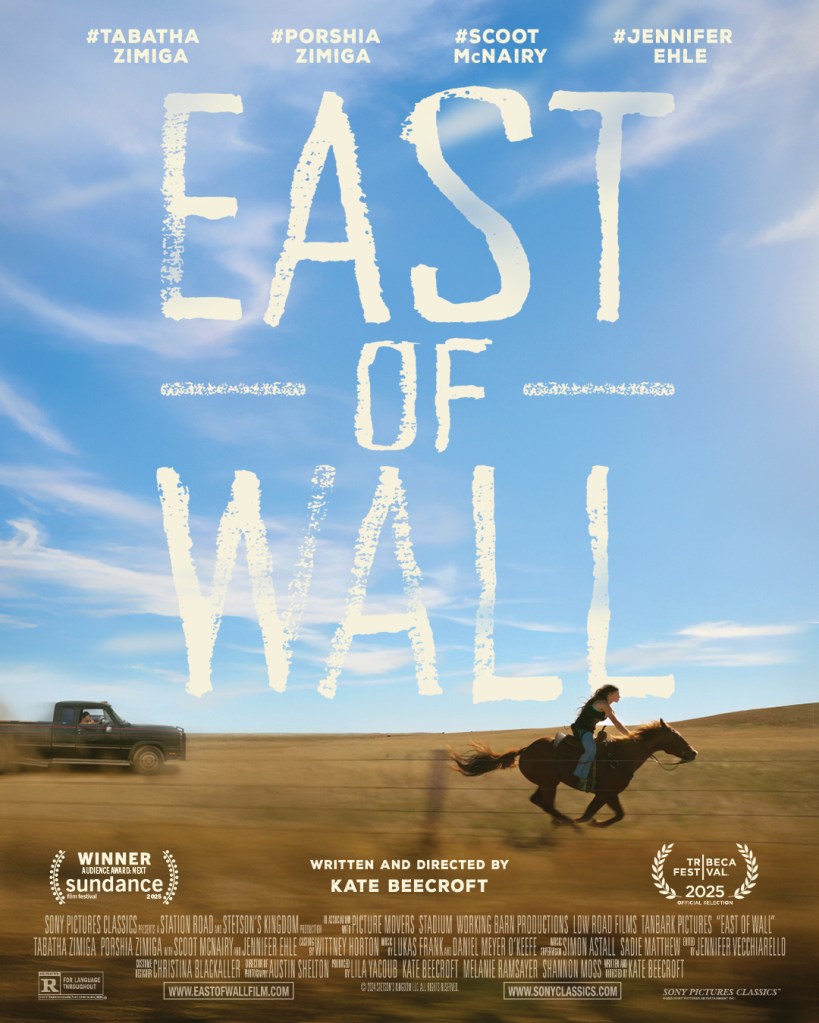
East of Wall (2025) Review – A Gritty, Tender Portrait of the “New West”
This is a sponsored post on behalf of Review Wire Media for Sony Pictures.
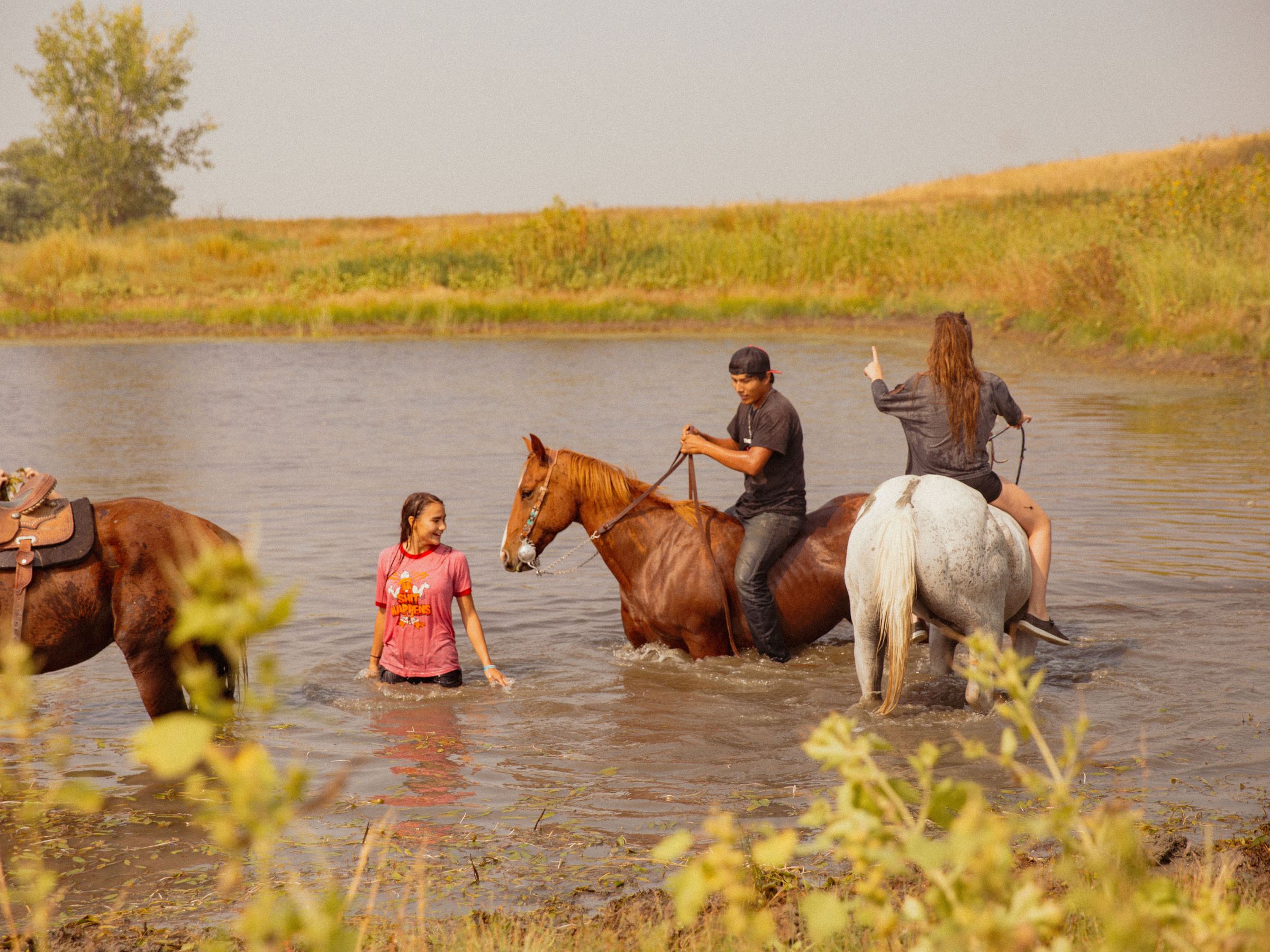
Set in the Badlands of South Dakota, East of Wall follows Tabatha, a young horse trainer trying to keep her ranch—and her family—together in the wake of personal loss and mounting debt. Her home becomes a refuge for local teens in need of a place to land, while she hustles to make ends meet with horse sales, odd jobs, and grit.
The twist? Tabatha Zimiga plays a version of herself, alongside her real-life daughter Porshia. The result is a seamless blend of fact and fiction that feels strikingly authentic, offering an intimate look at rural life far from big-city gloss.
Why It Works
1) Performances That Feel Lived-In
Zimiga doesn’t deliver a performance so much as an open-window view into her life. The mother-daughter dynamic brims with small gestures and unspoken truths, making their relationship one of the film’s most magnetic elements.
2) Direction That Trusts the Quiet
Kate Beecroft’s feature debut is patient, unhurried, and confident. The camera lingers where many filmmakers would cut, allowing tension and tenderness to build naturally.
3) A New Kind of Western
This isn’t the Old West of gunfights and saloons—it’s the “New West” of side hustles, shared rides, and a kitchen table where community is forged over coffee instead of whiskey. It’s a story about survival without romanticizing struggle.
Where It Stumbles
The docu-fiction approach occasionally feels uneven, with a few scenes drifting without clear resolution. But those imperfections are part of the texture, adding to the sense that this is real life captured on film rather than a fully scripted drama.
Bottom Line: East of Wall is tough, tender cinema—less about breaking horses than holding together a life when everything keeps trying to buck

 Fashion meets Food